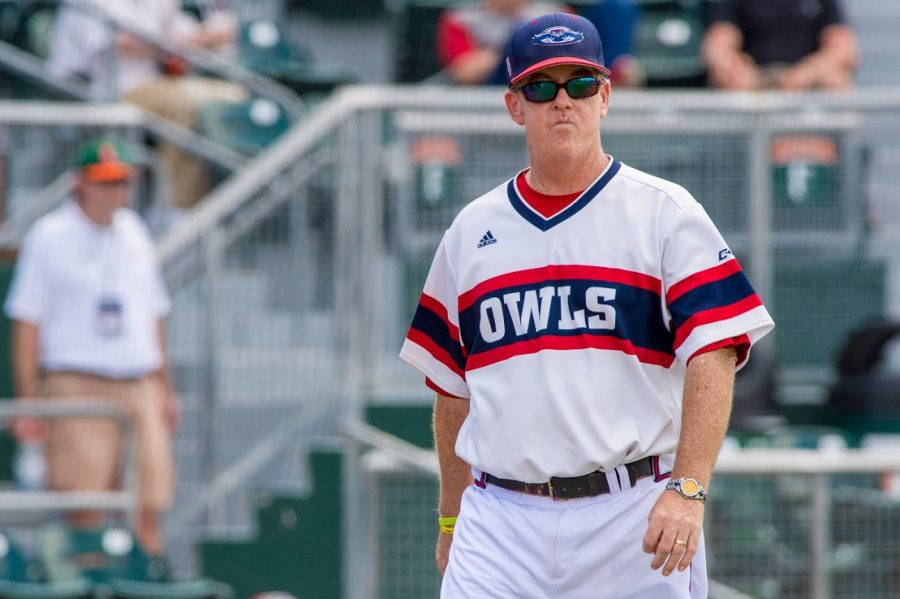
Coach McCormack emphasized the importance of communication and preparation for high school players who want to get to the next level.
- Introduction to College Baseball Recruiting
- The Importance of Player Development
- The Importance of Fit in College Choices
- Final Thoughts and Advice from Coach McCormack
- FAQ: Common Questions about College Baseball Recruiting
Introduction to College Baseball Recruiting
In today’s world, where college programs are inundated with players seeking opportunities, standing out is crucial. This is where understanding the nuances of recruiting can significantly impact a player’s chances.
Coach McCormack emphasized that players must be ready to communicate directly to the coaching staff and be ready to provide transcripts and answer questions. This proactive approach not only demonstrates commitment but also prepares them for the responsibilities of college athletics.
The Role of Parents in Recruiting
Parents play a critical role in the college baseball recruiting process, but their involvement should be supportive rather than controlling. Coach McCormack pointed out that parents need to step back and allow their children to take the lead. This independence fosters responsibility and maturity, essential traits for college athletes.
- Guidance and Support: Parents should engage in open conversations about college options, finances, and potential fits for their child’s skills and aspirations.
- Honest Discussions: Having candid discussions about realistic expectations regarding college baseball opportunities can help set the right tone.
- Encouragement: While parents should provide encouragement, they must resist the urge to dictate choices. Coach McCormack states, “It’s not your life; it’s their life.” Empowering young players to make their own decisions is vital.
Empowering Young Players
For young athletes, the journey to college baseball starts with empowerment. They must learn to communicate effectively with coaches and take ownership of their recruiting process. This includes writing emails, attending games, and showcasing their skills. McCormack advises that players should be proactive: “I hope you’re going to college baseball games wherever you live.” This involvement not only helps players understand the game better but also allows them to identify potential programs that align with their goals.
Additionally, players should take the initiative in gathering information about schools, such as roster sizes, academic programs, and financial considerations. This legwork is essential for making informed decisions about their future. Understanding their options will help them find the right fit and avoid wasted opportunities. As McCormack mentions, “Don’t spend time chasing something that might not be there.” Young athletes need to focus on where they can realistically succeed.
Coach McCormack also shared tips on how to evaluate if a program is a good fit and how to craft effective emails to coaches.
Travel Baseball Insights
Travel baseball has become a significant aspect of the recruiting landscape. While it offers exposure, it can also lead to burnout if not managed properly. Young players often find themselves caught in a cycle of constant games without sufficient practice time.
Coach McCormack warns against the overemphasis on competition at the expense of development. He notes,
“The problem with playing all these games is they become so numb to winning and losing.”
Therefore, it’s vital for players to balance their game schedule with practice to maintain their love for the sport.
Parents should help their children find that balance. Encouraging participation in other sports or activities can provide a much-needed break from baseball, allowing players to return to the field refreshed and motivated.
Balancing Practice and Play
Finding the right balance between practice and play is critical for young athletes. While games are essential for gaining experience, practice is where players truly develop their skills. McCormack emphasizes the importance of capping the number of games played, stating,
“You have to put a cap on the number of times he goes out there and plays.”
This approach allows players to focus on improving their game rather than merely competing.
Effective practice routines should include various drills that enhance both physical skills and mental acuity. Players should engage in drills that focus on specific areas of their game such as hitting, fielding, and pitching mechanics. The goal is to create a well-rounded player who can perform under pressure while still enjoying the game.
Physical Conditioning for Young Athletes
Physical conditioning is an integral part of player development. Young athletes should prioritize strength training and conditioning to build the necessary physical attributes for baseball. Coach McCormack highlights the importance of developing “hitting muscles,” stating,
“You need some strength to be a good hitter to land on a swing and be able to repeat that swing.”
This physical preparation is essential for competing at higher levels.
Additionally, players should incorporate flexibility and agility training into their routines. These components are crucial for preventing injuries and enhancing overall performance. Incorporating exercises such as yoga or pilates can improve flexibility, while agility drills can enhance quickness and reaction time.
Developing Self-Sufficiency in Players
Self-sufficiency is a valuable trait for young athletes. Players should be encouraged to take ownership of their training and development. McCormack insists,
“Young people need to start practicing with themselves.”
This self-directed practice can foster independence and responsibility, traits that are vital for success both on and off the field.
Encouraging players to set personal goals and track their progress can further enhance their self-sufficiency. This process teaches them accountability and the importance of hard work. Players should regularly assess their strengths and weaknesses, allowing them to focus on areas that need improvement.
Understanding the Recruiting Process
Understanding the college baseball recruiting process is essential for aspiring athletes. It’s not just about talent; it’s about strategy and preparation. Players must familiarize themselves with the recruiting landscape, including the timelines and expectations of college coaches.
Coach McCormack emphasizes that players should be proactive in their approach. He states,
“Don’t spend time chasing something that might not be there.”
This means focusing on schools and programs that align with their skills and aspirations, rather than getting caught up in the allure of high-profile programs.
Moreover, players should seek out opportunities to showcase their skills, whether through camps, showcases, or tournaments. These events provide valuable exposure and allow coaches to evaluate talent in real game situations. Understanding how to navigate these opportunities can significantly impact a player’s recruiting journey.
The Importance of Fit in College Choices
Choosing the right college program goes beyond looking at scholarships or NIL opportunities. The fit between a player and a program can significantly impact their success and happiness during their college career. McCormack believes that players should prioritize finding an environment where they can thrive both academically and athletically.
Evaluating Program Culture
Understanding a program’s culture is vital. Players should research how a team’s values align with their own. McCormack emphasizes the importance of this fit, stating, “It’s not just about being good at baseball; it’s about being in a place that feels like home.” When players resonate with a program’s culture, they are more likely to succeed.
Academic Compatibility
Academic considerations should also play a significant role in decision-making. Young athletes need to ensure that the academic programs offered align with their career aspirations. McCormack advises players to “make sure you have some academic opportunities that fit what you want to study.” This alignment will help players maintain focus both on the field and in the classroom.
Social Environment
The social environment at a college can greatly affect a player’s overall experience. McCormack encourages players to think about how they will fit into the campus community. “You still got to find a good fit socially,” he says. Players who feel comfortable in their surroundings are more likely to excel and enjoy their college life.
Final Thoughts and Advice from Coach McCormack
As young athletes embark on their recruiting journey, Coach McCormack offers several key pieces of advice. First and foremost, he stresses the importance of self-advocacy. “Become an advocate for yourself,” he advises. Players should take initiative in their communication with coaches and be prepared to provide necessary information promptly.
Furthermore, McCormack highlights the significance of being proactive in the recruiting process. “You’ve got to be ready,” he insists. This readiness includes having academic transcripts and test scores readily available for coaches when requested. Delays can lead to missed opportunities.
Finally, McCormack encourages players to prioritize their development and growth. “Focus on where you can realistically succeed,” he states. This mindset will help players navigate the complexities of recruiting while maintaining their passion for the game.