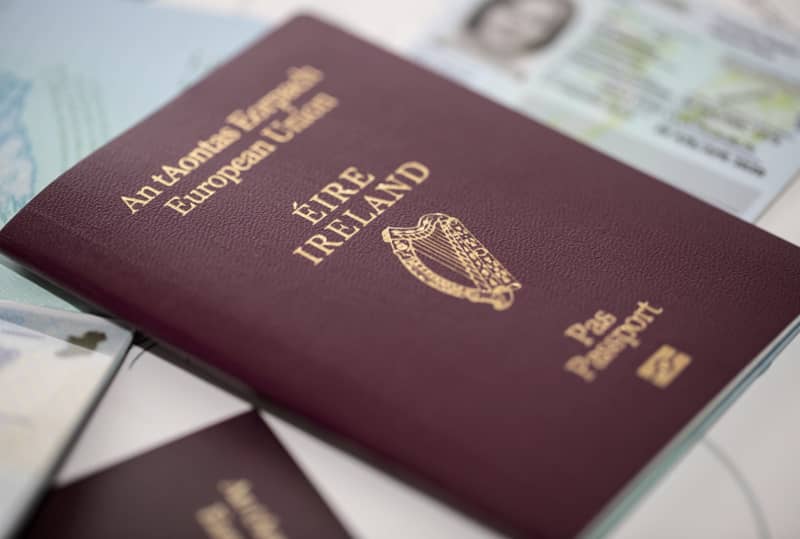
The Irish American Baseball Society and the Ancient Order of Hibernians recently partnered with the Irish Consulate in New York to host a webinar on obtaining Irish citizenship. Deputy Consul General Andrew Byrne provided a detailed overview of the entire process, guiding attendees through each step and highlighting the benefits of becoming an Irish citizen. The presentation is available in x parts:
- Obtaining Irish Citizenship: Who is Eligible? How to Apply?
- Irish Citizenship by Descent
- Foreign Birth Registration (FBR)
- Gathering Your Documents for Your Irish Citizenship Application
- Gathering Parent and Grandparent Documents For Your Irish Citizenship Application
- Understanding the Process for Witnessing Documents in the U.S.
- Irish Citizenship Application Timeline and Next Steps
“Being an Irish citizen is not just about paperwork; it’s about belonging to a vibrant community with rich traditions and a shared history. You get to enjoy the rights and privileges that come with being part of the European Union, which can open many doors for you.”
Andrew Byrne, Deputy Consul General
If you or your parent were born on the island of Ireland before 2005, congratulations! You are automatically recognized as an Irish citizen. This means you can apply for an Irish passport without the need to go through a formal application process for citizenship. However, if you or your parent were born in Ireland after January 1, 2005, the rules change slightly. In this case, your eligibility for citizenship depends on your parent’s citizenship status at the time of your birth, as well as their residence history prior to your birth.
What Does Irish Citizenship Mean?
Being an Irish citizen is more than just a title; it carries significant weight and benefits. Firstly, you are recognized as a national of Ireland, which also grants you citizenship of the European Union. This status provides you with various rights and privileges, including:
- The right to carry an Irish passport.
- The ability to live and work in Ireland and other EU countries.
- Access to consular assistance from Irish embassies and consulates abroad.
- Support from other EU member states in cases where there is no Irish representation.
It’s important to note that if you are also a US citizen, there are different circumstances to consider. When traveling on your US passport, any needed consular assistance must be obtained from US authorities, not Irish ones.
Eligibility Based on Birth Date
Understanding the nuances of eligibility based on birth date is essential for anyone looking to claim Irish citizenship. Let’s break it down:
Born Before 2005
If you or your parent were born on the island of Ireland before 2005, you are automatically an Irish citizen. This means you can straightforwardly apply for an Irish passport.
Born After January 1, 2005
The rules change significantly for those born after this date. Your eligibility for Irish citizenship hinges on two primary factors:
- Parent’s Citizenship: If your parent was an Irish citizen at the time of your birth, you are entitled to Irish citizenship.
- Parent’s Residence History: If your parent was not an Irish citizen, their residence in Ireland before your birth will play a crucial role in determining your eligibility.
This means that if your parent was living in Ireland for a specific duration before your birth, you might still qualify for citizenship, even if they weren’t an Irish citizen at the time.
The Importance of Irish Citizenship
Now that we’ve covered the basics, let’s explore why Irish citizenship is so important. It’s not just about having a passport; it’s about the rights and opportunities that come with it. Here are some compelling reasons to consider:
- Travel Benefits: An Irish passport allows you to travel freely across the EU without the need for visas, simplifying travel plans significantly.
- Work Opportunities: Citizenship opens doors to work in any EU country, giving you access to a broader job market.
- Healthcare Access: As an Irish citizen, you can benefit from Ireland’s healthcare system, which can be a significant advantage.
- Education Opportunities: Citizenship provides access to educational institutions in Ireland and potentially lower tuition fees for EU citizens.
Moreover, Irish citizenship is a connection to your heritage and ancestry, allowing you to embrace your roots and explore your family history.
Applying for an Irish Passport
Once you’ve established your eligibility as an Irish citizen, the next step is applying for your Irish passport. Here’s a streamlined process to guide you through:
Gather Necessary Documents
Before applying, ensure you have all required documents, such as:
- Your birth certificate.
- Your parent’s birth certificate or Irish passport (if applicable).
- Proof of residence if born after 2005.
- Any additional identification documents as required.
Complete the Application Form
Visit the official Irish passport website to download the application form. Fill it out carefully, ensuring all information is accurate.
Submit Your Application
Once you’ve gathered your documents and completed the form, submit your application through the appropriate channels. Depending on your location, you may need to apply through an Irish embassy or consulate.
Processing Time
Keep in mind that processing times can vary. It’s advisable to apply well in advance of any planned travel to avoid delays.
Consular Assistance for Irish Citizens Abroad
As an Irish citizen, you’re entitled to consular assistance from Irish embassies and consulates worldwide. This can be invaluable when you find yourself in need of help while abroad. Here’s what you should know:
- Emergency Services: The embassy can assist in emergencies, such as lost passports, legal issues, or medical emergencies.
- Travel Advice: They provide updated information on travel advisories and safety tips for various destinations.
- Support for Dual Citizens: If you hold dual citizenship, remember that seeking assistance may differ based on your current passport.
Always reach out to the nearest Irish embassy or consulate if you require assistance while traveling. They are there to help you navigate challenges and ensure your safety abroad.
“Navigating the complexities of citizenship can be daunting, but knowing your rights and the benefits you’re entitled to can empower you. It’s not just about having a passport; it’s about embracing a new identity and all the opportunities that come with it.”
Andrew Byrne, Deputy Consul General